Physical Address
304 North Cardinal St.
Dorchester Center, MA 02124
Physical Address
304 North Cardinal St.
Dorchester Center, MA 02124

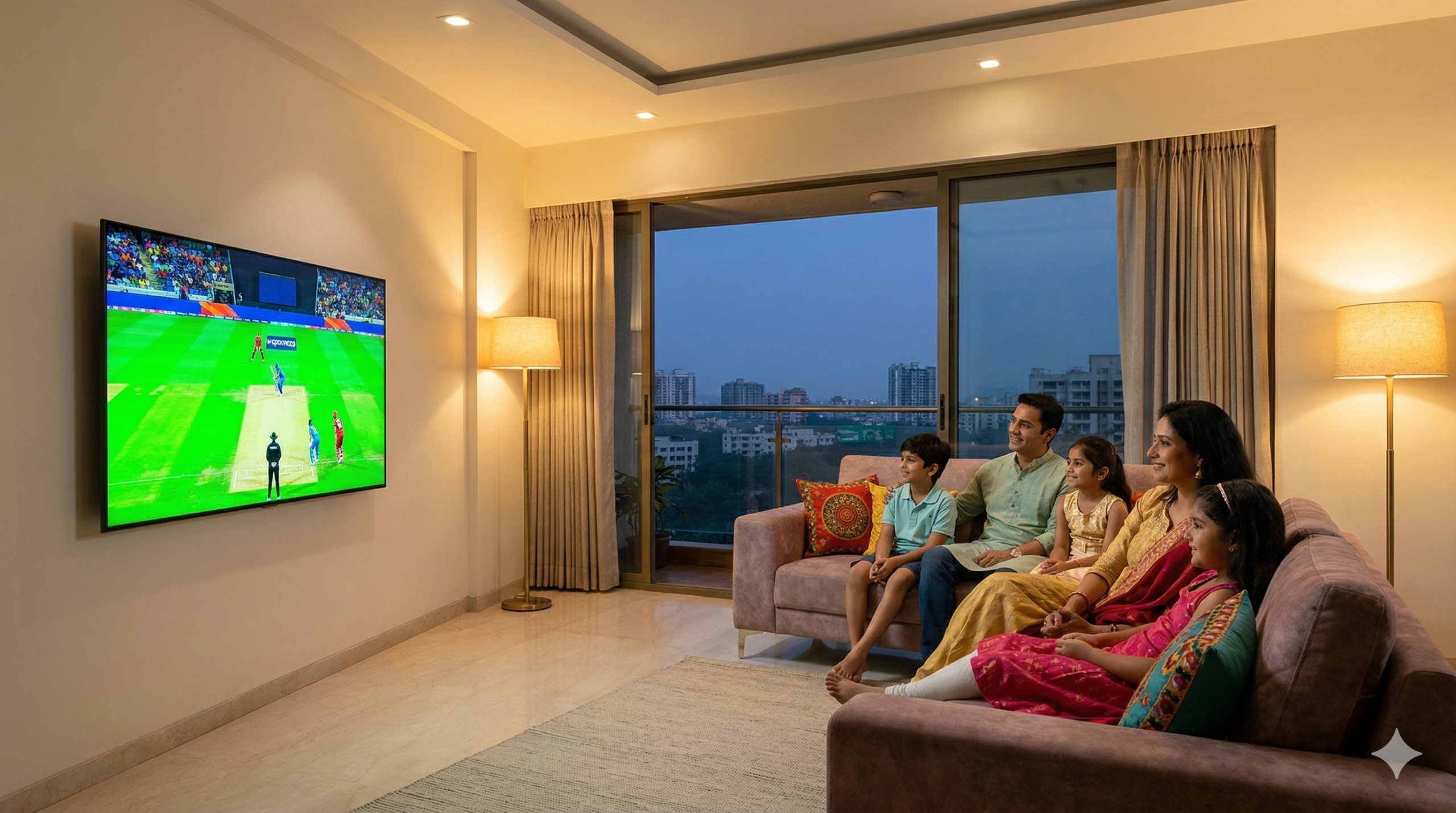
Choosing between QLED vs OLED in India often feels like a gamble with your hard-earned ₹50,000 to ₹1,50,000. You fear screen burn-in on expensive panels or buying a TV that looks washed out in a bright, sun-drenched Indian living room. With dust, heat, and voltage fluctuations, the “best” tech isn’t always the smartest choice for your home. This guide cuts through the marketing fluff to help you shortlist the best QLED and OLED TVs in India for 2026 based on real-world performance and service reliability.
| Feature | QLED (Quantum Dot) | OLED (Organic LED) | Winner for India |
| Brightness | Extremely High (Best for Sun) | Moderate (Best for Dim Rooms) | QLED |
| Black Levels | Deep Grey / Dark Blue | Perfect, Absolute Black | OLED |
| Lifespan | Long (No Burn-in Risk) | Risk of “Burn-in” over 5+ years | QLED |
| Viewing Angle | Good (Slight wash-out) | Perfect from any corner | OLED |
| Price ₹ | Budget to Mid-range | Premium / High-end | QLED (Value) |
| Verdict | Check QLED Prices | Check OLED Prices | See Below |
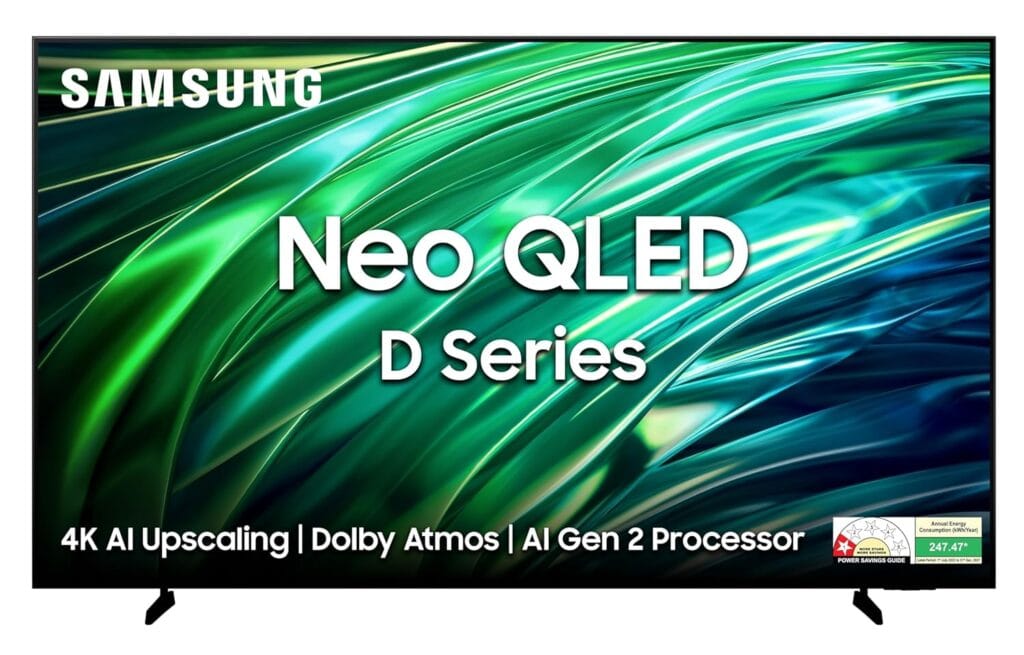
For most Indian families living in Tier 1 or Tier 2 cities, this is the smartest investment. Unlike OLED, it uses Mini-LEDs that get bright enough to fight the harsh glare of a south-facing Indian window.
Pros:
Cons:
Who Should Buy This: Families who watch a mix of News, Cricket, and Netflix in a well-lit room.
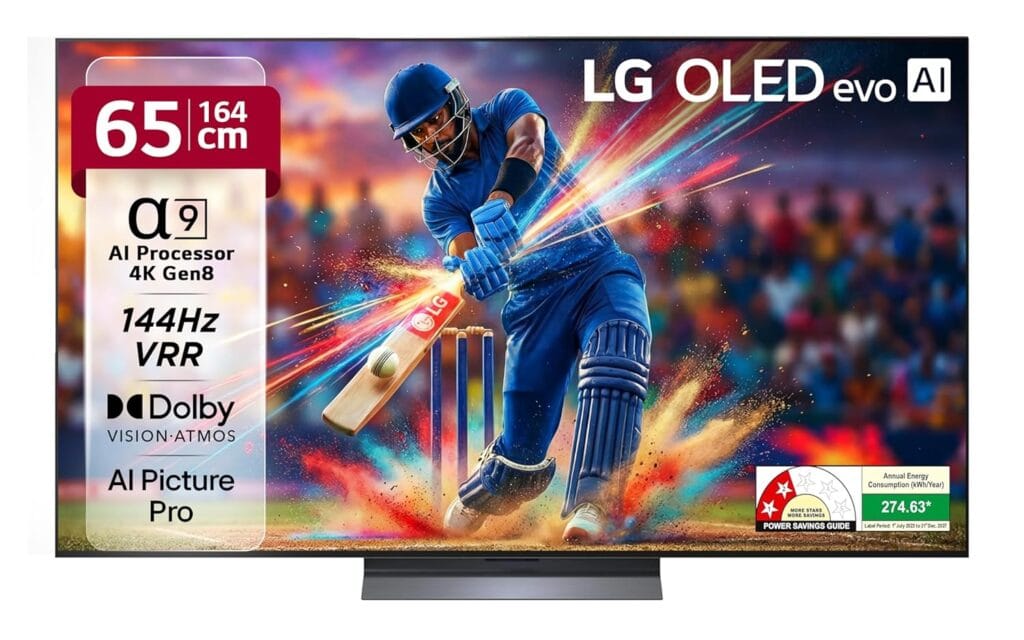
If you have a dedicated “Media Room” or prefer watching movies with the lights off, nothing beats the LG C6. In 2026, LG has further improved its “Evo” panels to handle Indian humidity better.
Pros:
Cons:
Who Should Buy This: Enthusiasts who want the absolute best picture quality and own a UPS/Stabilizer.
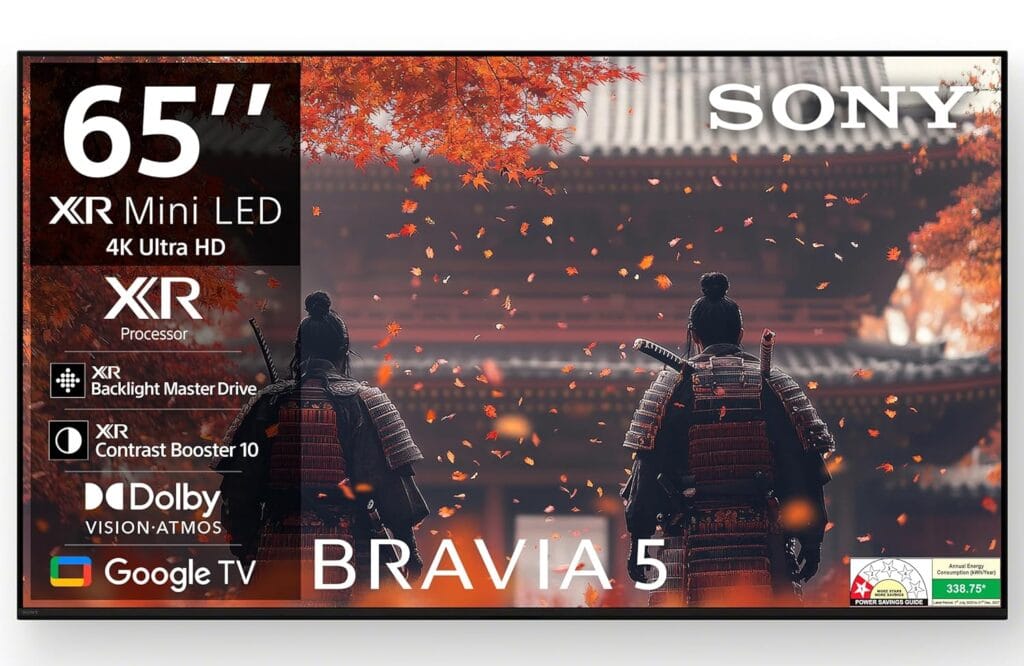
Sony understands the Indian “Dust & Heat” factor better than anyone. Their X-Protection PRO technology ensures the TV lasts longer in salty coastal air or dusty inland cities.
Pros:
Cons:
Who Should Buy This: Buyers looking for a “Buy it and forget it” 10-year investment.
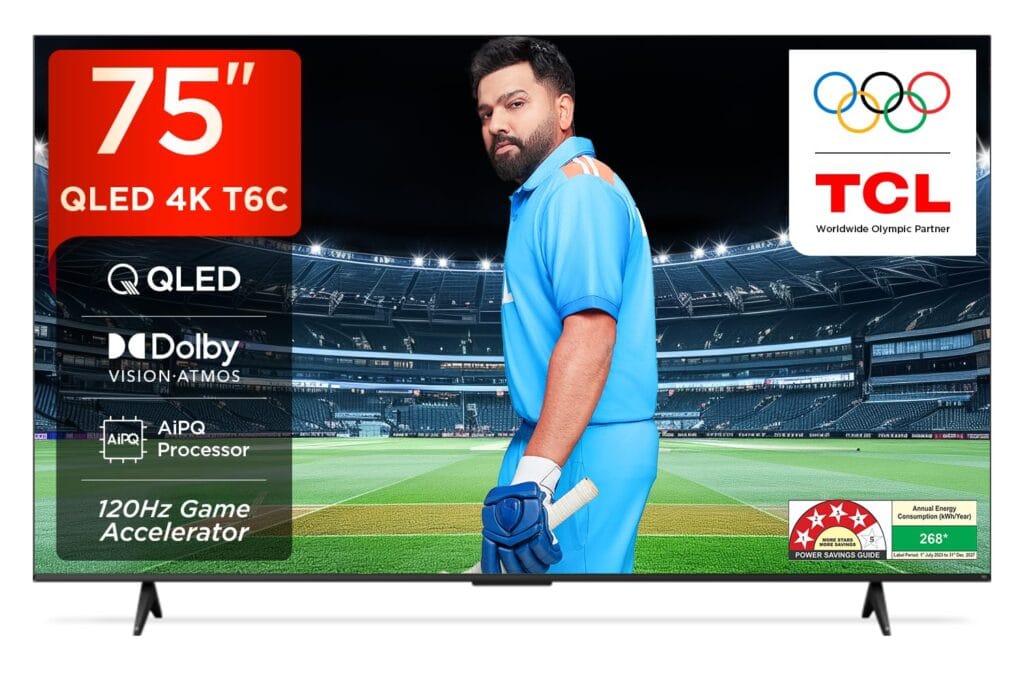
TCL has disrupted the Indian market by offering high-end specs at 60% of the cost of Samsung or Sony.
Pros:
Cons:
Who Should Buy This: Tech-savvy buyers who want flagship specs on a budget.
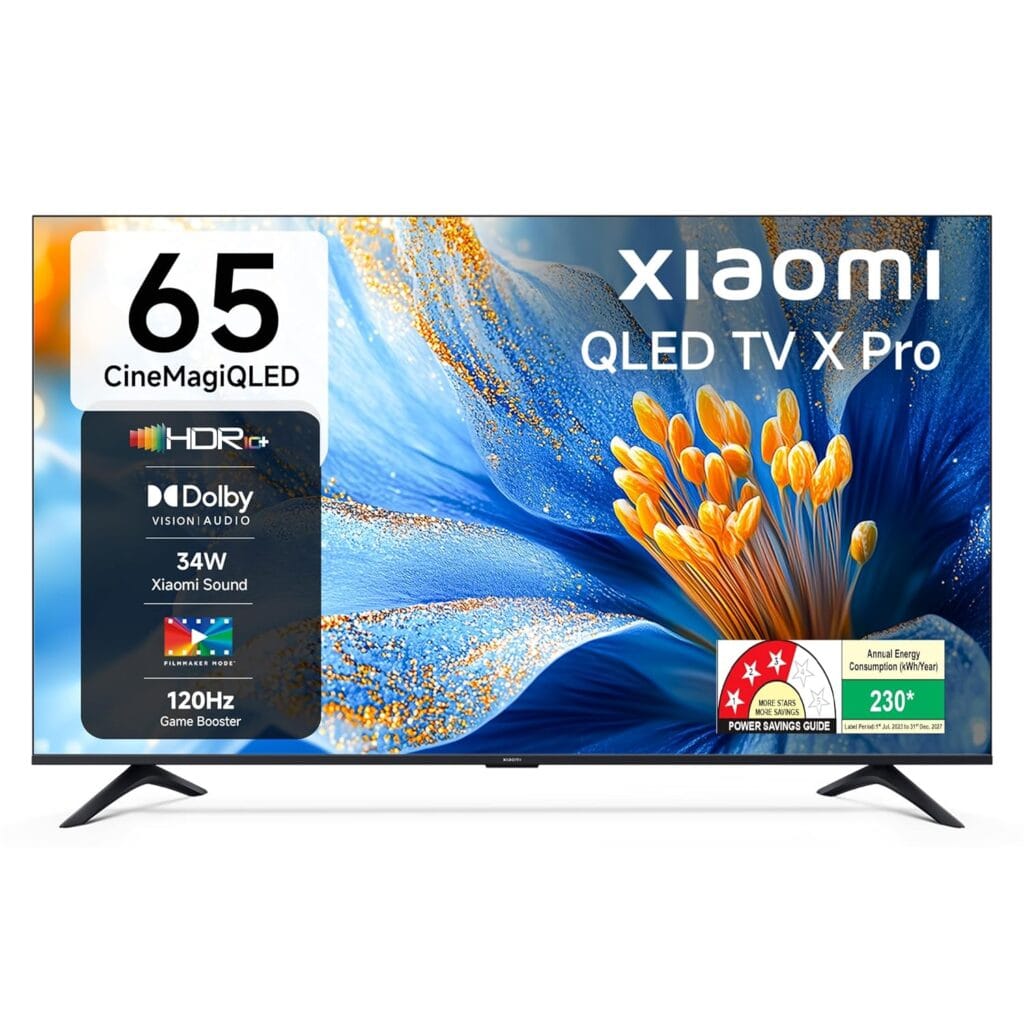
Xiaomi dominates the under ₹50,000 segment. Their QLED panels are a massive step up from standard 4K LED TVs.
Pros:
Cons:
Who Should Buy This: First-time 4K TV buyers upgrading from a 32-inch LED.
1. The “Burn-in” Fear vs. Reality
In India, we keep TVs for 7–10 years. OLEDs use organic material that can degrade. If your home watches India TV or Aaj Tak for 5 hours a day, the static logos might cause “ghost images.” For such heavy “General TV” users, QLED is the safer bet.
2. Brightness (Nits) Matters
Most Indian homes have large windows. QLED TVs often hit 1500+ nits, whereas OLEDs struggle around 800-1000 nits. If your room is bright, OLED will look like a mirror during the day.
3. BEE Star Ratings & Electricity
Check the BEE label! High-end QLEDs can consume more power. A 3-star or 4-star rated TV can save you ₹2,000 annually on your electricity bill.
4. The Hidden Cost: Protection
Always factor in a Voltage Stabilizer (like V-Guard) if you live in an area with frequent power cuts. Also, look for “Extended Warranty” packs; a panel replacement for an OLED can cost 70% of the TV price.
Expert Tip: Never buy a TV without checking the service center distance from your pin code. In India, a “great TV” with “no service” is just a glass wall decoration.
The TCL C-Series or Xiaomi QLED are currently the top performers in this bracket, offering great brightness and Google TV.
Yes, if you value true cinematic experience and primarily watch 4K streaming (Netflix/Apple TV+). The depth of color is unmatched.
Samsung and LG share the top spot for service network density, followed closely by Sony. Xiaomi is the leader among budget brands.
While most modern TVs have SMPS to handle minor dips, a dedicated stabilizer is mandatory for expensive QLED/OLED panels in India to prevent motherboard failure.
My Decisive Pick: For the average Indian living room, the Samsung Neo QLED is the winner. It’s bright, tough, and backed by a massive service network.
⚠️ AFFILIATE DISCLOSURE:
This post contains affiliate links. If you purchase through our links, we may earn a small commission at no extra cost to you. We only recommend products we’ve thoroughly researched and that meet our strict transparency standards.