Physical Address
304 North Cardinal St.
Dorchester Center, MA 02124
Physical Address
304 North Cardinal St.
Dorchester Center, MA 02124

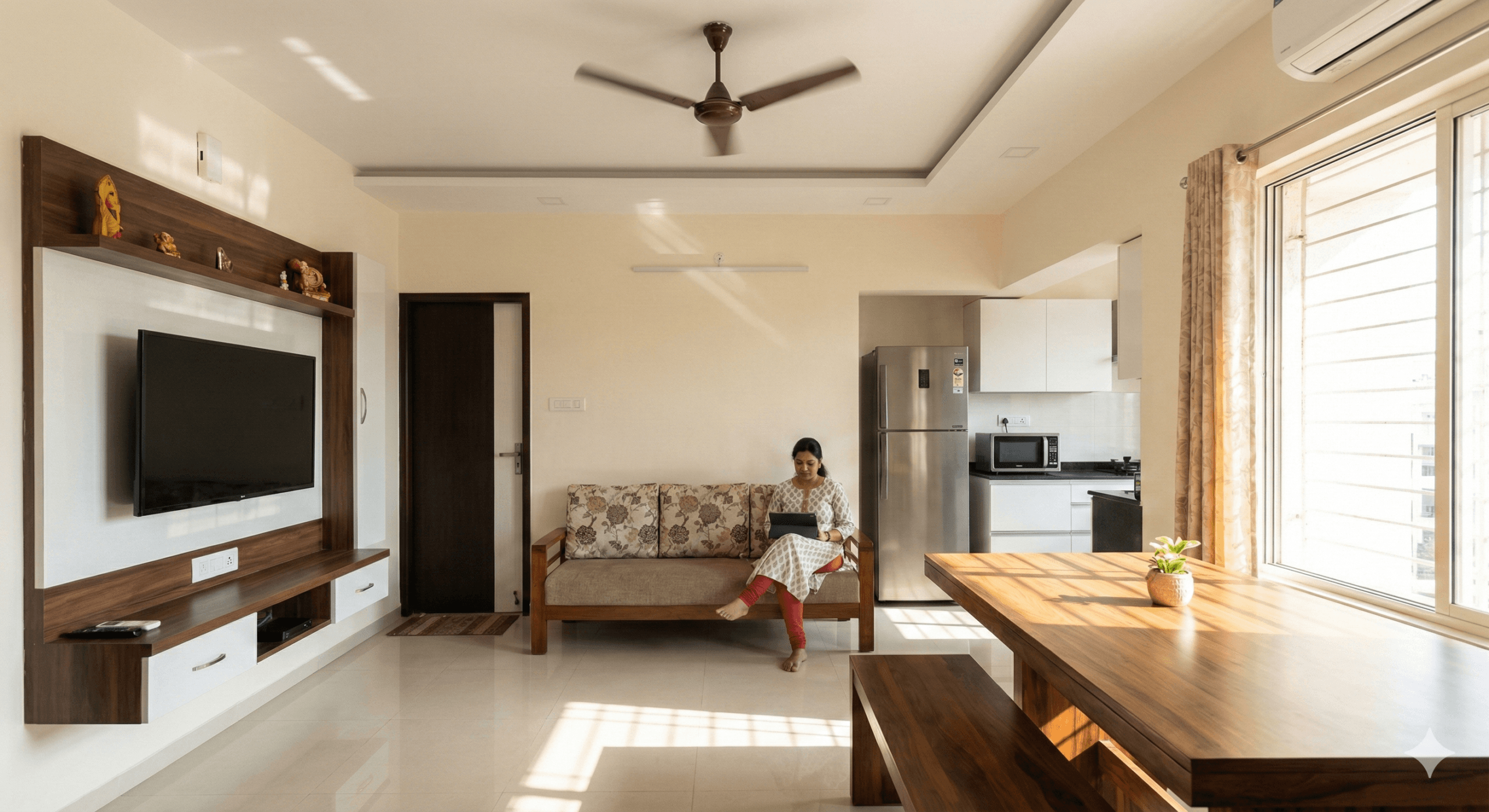
In most Indian middle-class homes, appliances aren’t “luxury upgrades” — they’re survival tools. 🏠 From handling daily power cuts and hard water to managing rising electricity bills and limited kitchen space, every purchase decision in 2026 feels heavier than ever. Indians are no longer buying appliances just for features; they’re buying peace of mind, durability, and long-term savings.
The challenge? The market is flooded. Every brand claims “best,” every sale screams discounts, and yet many homes end up with appliances that consume more power, break early, or don’t suit Indian usage at all. People are buying on EMI, expecting 5–10 years of reliability — not regret.
That’s exactly why this guide exists. After analyzing what middle-class Indian families actually use daily, this article lists the most practical, value-for-money home appliances in India for 2026 — focusing on electricity efficiency, service reach, real capacity needs, and honest pros & cons. No hype. Just smart choices that make everyday life easier. 😊
Who should buy this guide is for:
Who should avoid:
Best for (usage-based):
| Product | Key Feature | Why It’s Worth Buying | Price Range (₹) | Ideal For |
|---|---|---|---|---|
| LG 260L Smart Inverter Refrigerator | Smart Inverter Compressor | Handles power cuts, low noise | 24,000 – 30,000 | Small–medium families |
| Samsung 7kg Front Load Washing Machine | Eco Bubble + Inverter | Better wash, less water usage | 28,000 – 35,000 | Daily laundry |
| Voltas 1.5 Ton 5-Star Split AC | High EER rating | Lower summer electricity bills | 38,000 – 45,000 | Indian summers |
| Philips 750W Mixer Grinder | Turbo motor | Handles tough Indian ingredients | 3,500 – 4,500 | Daily cooking |
| Prestige Induction Cooktop | Power-saving heating | Faster cooking, LPG savings | 2,500 – 3,500 | Small kitchens |
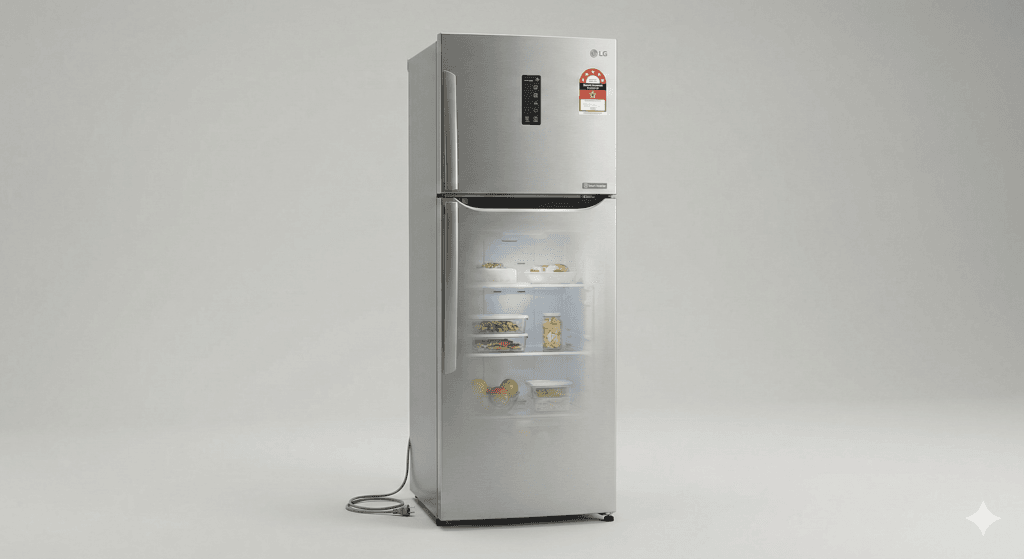
Why Indians love it:
This fridge is everywhere in middle-class homes because it simply works — even during voltage fluctuations and frequent power cuts.
Key Features
Pros
Cons
Ideal Usage Scenario
Families of 3–4 members who want a reliable fridge that runs 24/7 without spiking bills.
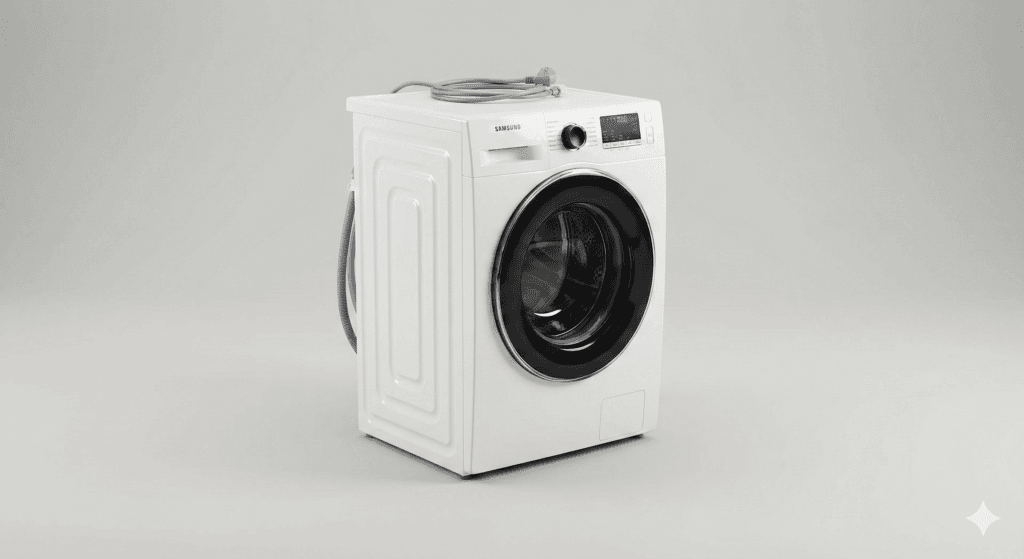
Why it’s popular:
Front-loaders are becoming common in Indian flats due to water savings and gentler fabric care.
Key Features
Pros
Cons
Ideal Usage Scenario
Working couples or families washing clothes 3–4 times a week.
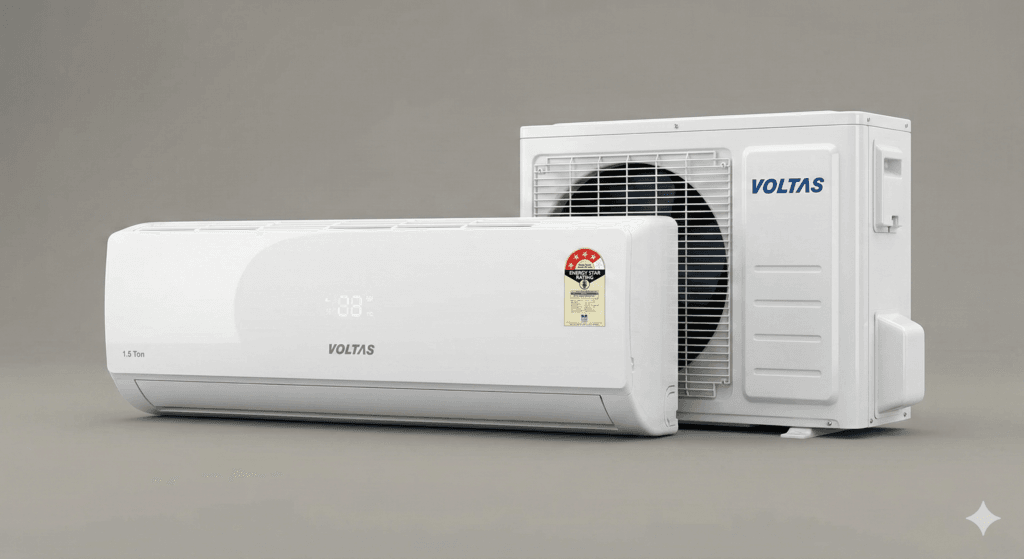
Why people are buying it:
Electricity bills are scaring Indians more than heat — and this AC balances both.
Key Features
Pros
Cons
Ideal Usage Scenario
Medium-sized bedrooms in Tier 1 & Tier 2 cities.
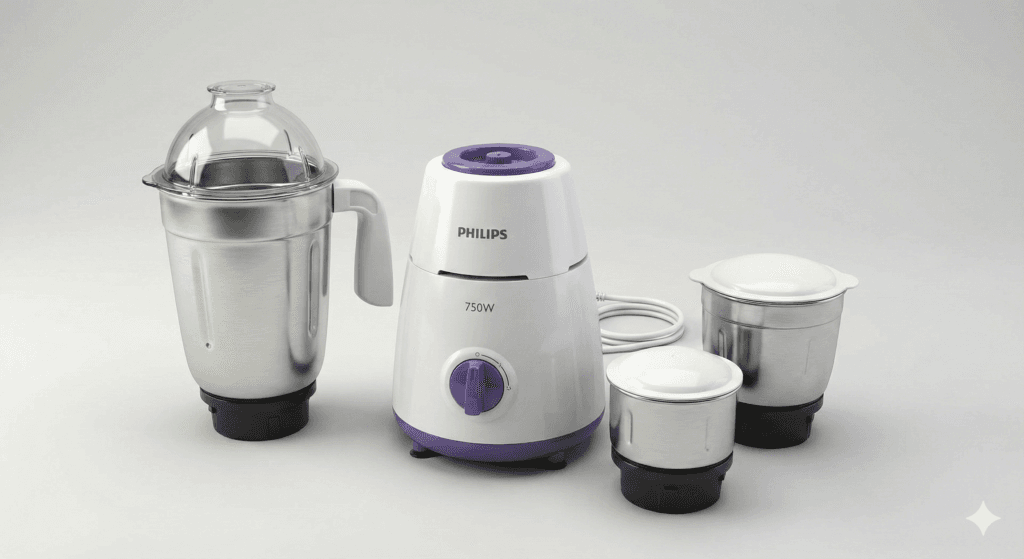
Why it’s trusted:
Indian cooking is brutal on motors — and Philips has mastered durability.
Key Features
Pros
Cons
Ideal Usage Scenario
Daily cooking with heavy grinding needs.
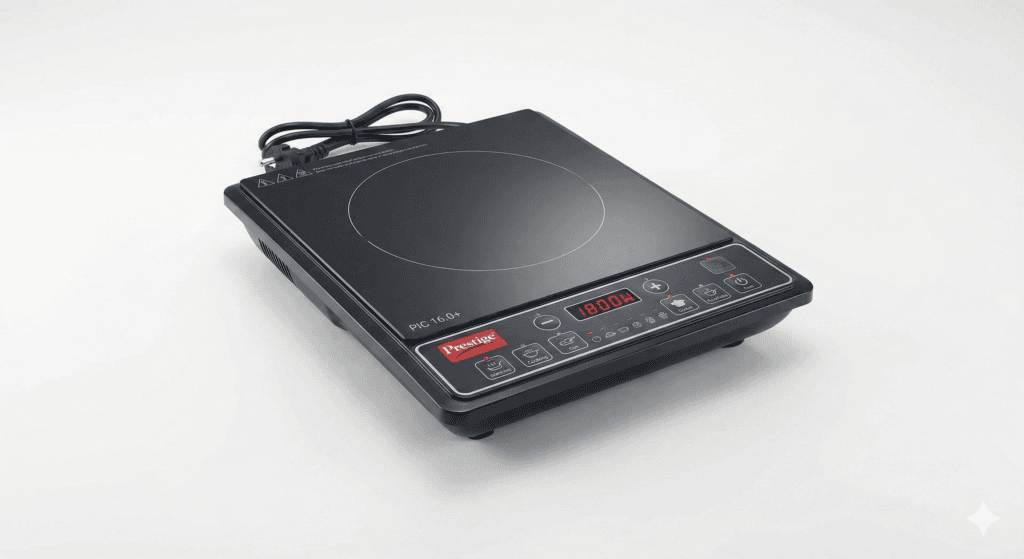
Why middle-class homes choose it:
Rising LPG prices have pushed Indians toward induction cooking.
Key Features
Pros
Cons
Ideal Usage Scenario
Small kitchens, rented homes, or secondary cooking setup.
Yes, they reduce electricity bills and last longer in Indian conditions.
Front load saves water and cleans better, but costs more upfront.
Air conditioners, followed by refrigerators running 24/7.
Highly recommended for ACs and fridges due to long usage hours.
For small families, yes — but power cuts can be a limitation.
If you’re setting up or upgrading a middle-class Indian home in 2026, focus on appliances that quietly save money every month. People are buying inverter refrigerators and 5-star ACs not for luxury — but for control over rising bills. Choose capacity based on family size, not discounts. Buy fewer appliances, but buy the right ones. That’s the real upgrade. 👍
This article may contain affiliate references to Amazon and Flipkart. If you purchase through these platforms, Choicely.in may earn a small commission at no extra cost to you. This helps us keep our recommendations honest and updated.


Leave a Reply