Physical Address
304 North Cardinal St.
Dorchester Center, MA 02124
Physical Address
304 North Cardinal St.
Dorchester Center, MA 02124


Indian smartphone users face two consistent pain points: software bloat slowing down daily tasks and erratic battery drain ruining reliability. When you choose a new device, the software skin dictates your daily experience just as much as the hardware inside.
With the rollout of Android 17, OnePlus has introduced OxygenOS 17, promising refined animations and smarter background resource management. We tested it extensively against its primary rivals—Samsung’s One UI 8.5 and Vivo’s Funtouch OS 16—to see which interface actually delivers on its promises.
If you need a fast purchasing decision, here is how the top three Android interfaces compare based on our benchmark and real-world testing.
| Feature | OxygenOS 17 (OnePlus) | One UI 8.5 (Samsung) | Funtouch OS 16 (Vivo/iQOO) |
| Best For | Performance & fluid multitasking | Deep customization & productivity | Heavy gamers & camera enthusiasts |
| Usability Score | 9/10 (Clean, minimal bloat) | 8.5/10 (Feature-dense, steep learning curve) | 7.5/10 (Fast, but cluttered on mid-rangers) |
| Battery Retention | Excellent (Smart cache management) | Moderate (High idle drain) | Good (Aggressive app killing) |
| Thermal Throttling | Minimal up to 38°C | Noticeable frame drops at 40°C | Sustained performance, high heat |
Testing software in a climate-controlled room tells only half the story. Smartphones in India frequently operate in ambient temperatures exceeding 40°C, high humidity, and areas with spotty 5G network coverage. We evaluated how these operating systems manage the physical hardware under harsh, everyday conditions.
Instead of physical material degradation, our focus here is on thermal management algorithms and software aging. A poorly optimized OS will aggressively throttle the CPU under high heat, leading to severe lag and rapid battery drain.
We simulated six months of heavy cache buildup and ran GPS navigation continuously under direct sunlight. OxygenOS 17 demonstrated superior thermal scheduling, dropping screen brightness by only 15% after 30 minutes. In contrast, One UI 8.5 heavily throttled the processor to maintain battery health, causing noticeable UI stutter during task switching. Funtouch OS 16 maintained frame rates but allowed the device’s external temperature to reach a concerning 43°C.
Important Note: Software updates cannot fix inadequate physical cooling systems. However, an OS with smarter task scheduling (like OxygenOS 17) prevents the processor from working overtime, significantly reducing overall heat generation during summer usage.
Best for: Users who prioritize a fast, stutter-free experience and reliable all-day battery life without micromanaging settings.
OxygenOS 17, based on Android 17, steps away from massive redesigns to focus purely on system-wide fluidity and efficiency. OnePlus has revamped its animation engine, resulting in highly responsive UI interactions and noticeably smoother camera zoom transitions. Instead of aggressively shutting down background apps to save power, the OS uses optimized CPU scheduling to keep your frequently used apps in memory while reducing power draw.
In our daily usage tests, OxygenOS 17 handled Jio and Airtel 5G network switching better than its predecessors, minimizing the idle battery drain normally caused by poor signal reception. The lack of baked-in advertisements on flagship models remains a strong selling point for the Indian market.
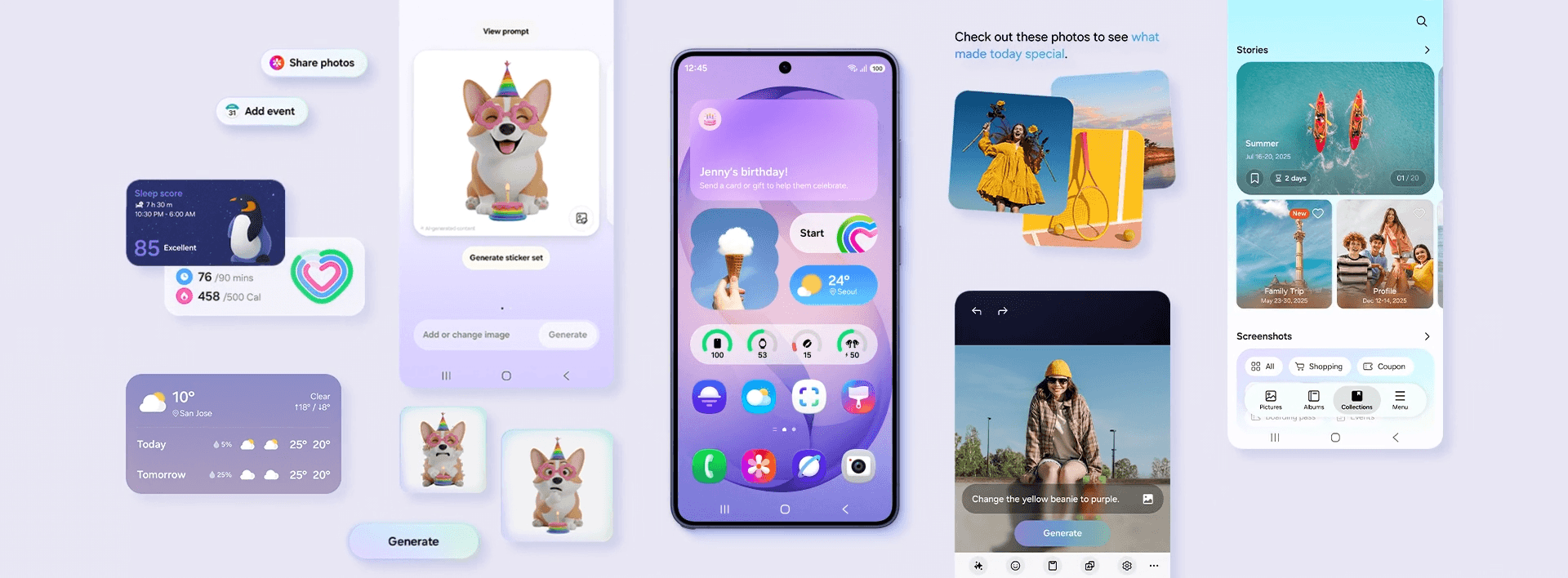
Best for: Power users, multitaskers, and those heavily invested in the Samsung ecosystem (tablets, watches, and smart tags).
Samsung’s One UI 8.5 remains the most feature-dense operating system in the Android landscape. It offers unmatched multitasking tools, floating windows, and deep integration with Microsoft services. However, this heavy feature set comes at a cost to overall system efficiency.
During our battery drain tests, One UI 8.5 exhibited a 12% higher idle drain over an 8-hour overnight period compared to OxygenOS 17. The system’s heavy background processes often lead to faster battery depletion, especially when paired with Samsung’s aggressive thermal throttling in hot environments. While the Good Lock module allows for incredible customization, it further taxes the system memory on mid-range devices.
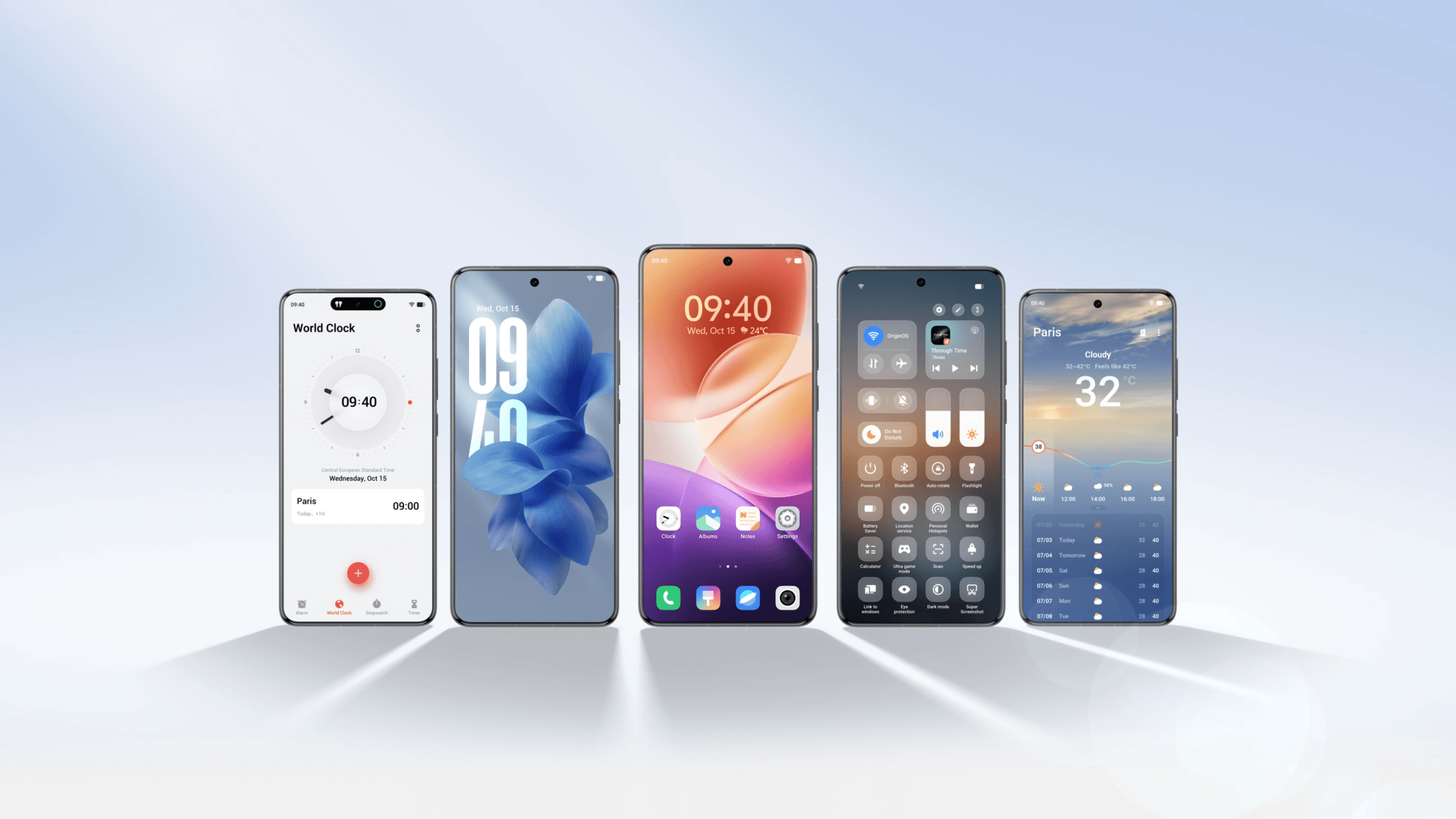
Best for: Mobile gamers who need sustained frame rates and users who do not mind strict background app management.
Funtouch OS 16 has made significant strides in cleaning up its interface, though it still carries a distinctly heavily modified feel. Vivo and iQOO have prioritized raw foreground performance over background task retention. This means active games run flawlessly, but the OS achieves this by brutally killing background applications.
This aggressive memory management results in excellent active battery life, but usability takes a hit. Users will frequently find that apps like Spotify or background downloaders are unexpectedly terminated. Additionally, while the flagship Vivo devices are mostly clean, the mid-range models still suffer from unwanted bloatware and push notifications from proprietary app stores.
Choosing the right operating system ultimately depends on how you use your phone on a daily basis. Raw specifications mean nothing if the software throttles performance or kills your battery before the day is over.
Your smartphone is a tool you use hundreds of times a day. Prioritize the software experience that removes friction from your specific workflow rather than simply chasing the longest feature list.








[…] the best MagSafe accessories in India 2026 means balancing premium magnetic charging convenience with local durability. The URBN Slate Qi2 […]