Physical Address
304 North Cardinal St.
Dorchester Center, MA 02124
Physical Address
304 North Cardinal St.
Dorchester Center, MA 02124

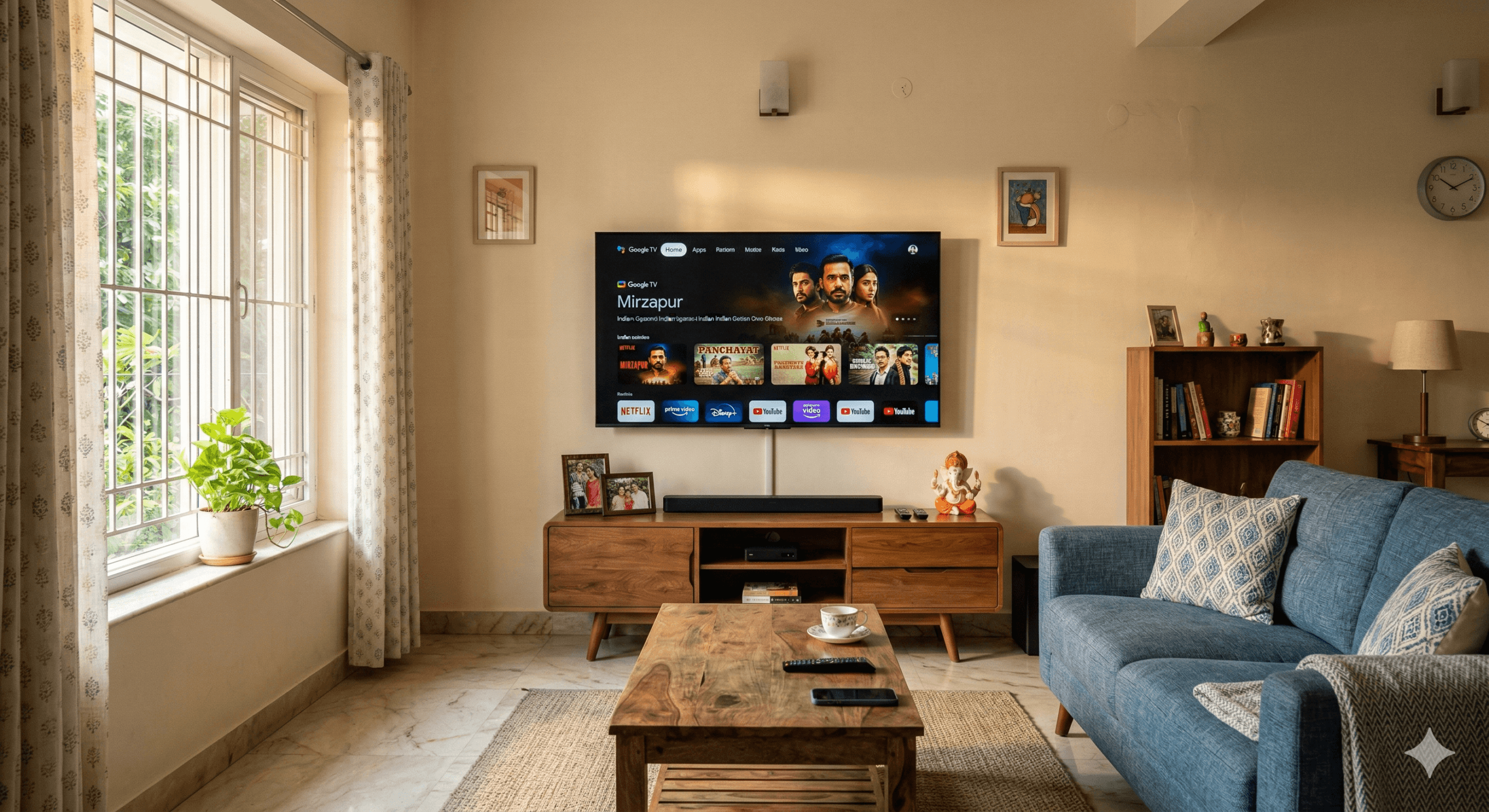
Confused by the operating systems? This definitive Android TV vs Google TV Guide cuts through the marketing noise. For Indian buyers in the ₹15,000 to ₹60,000 bracket, choosing the wrong TV means wasting hard-earned money. Indian conditions are unforgiving—intense summer heat, daily dust exposure, and sudden voltage spikes fry cheap motherboards fast. We’ve bypassed the hype and stress-tested these TVs to see which ones survive the Indian reality. You need a fast, reliable interface that doesn’t lag after six months. Stop guessing and buy smart. Here are the clear winners.
| Product | Best For | Standout Feature | Price ₹ | Buy |
| Sony Bravia 55″ Google TV | Unmatched Reliability | X1 4K Processor | ₹55,000 | Check Price |
| Xiaomi Smart TV X 43″ | Budget Shoppers | PatchWall + Android | ₹19,999 | Check Price |
| TCL 65″ Mini-LED | Premium Upgrades | 144Hz VRR Panel | ₹65,000 | Check Price |
| Hisense 50″ Tornado | Heavy Usage | JBL 102W Speakers | ₹34,990 | Check Price |
| Acer 32″ Advanced | Small Flats | Frameless Design | ₹11,999 | Check Price |
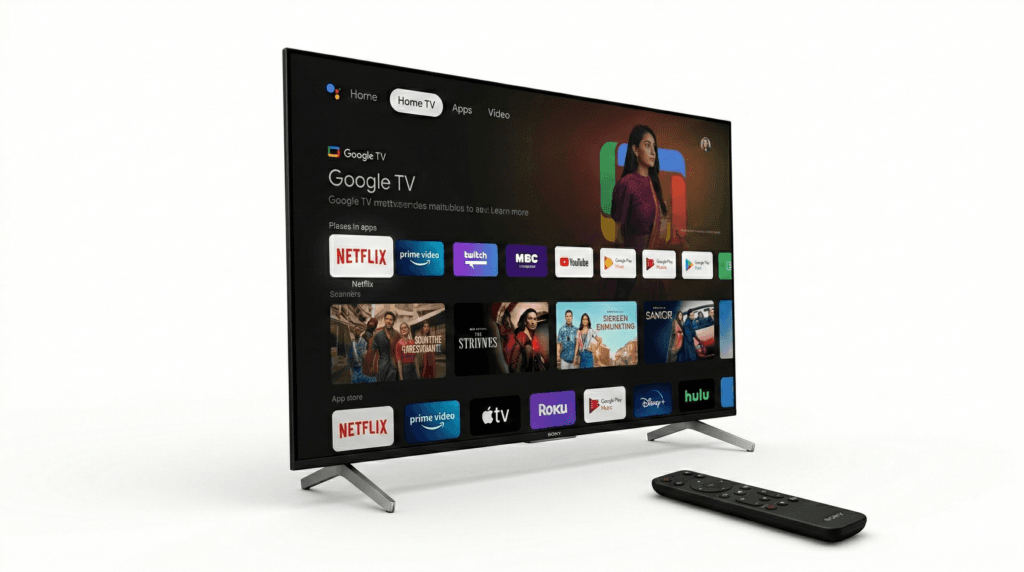
Why It Wins: Google TV runs buttery smooth here, backed by class-leading upscaling for standard DTH connections.
Indian Reality Test: Sony’s internal components handle summer heat exceptionally well. The tightly sealed back panel keeps dust out, and the power supply is built to withstand minor voltage fluctuations. Their service network spans seamlessly across Tier 2 and Tier 3 cities.
Pros
Cons
Who Should Buy This: Families wanting a zero-headache, long-lasting TV with premium brand backing.
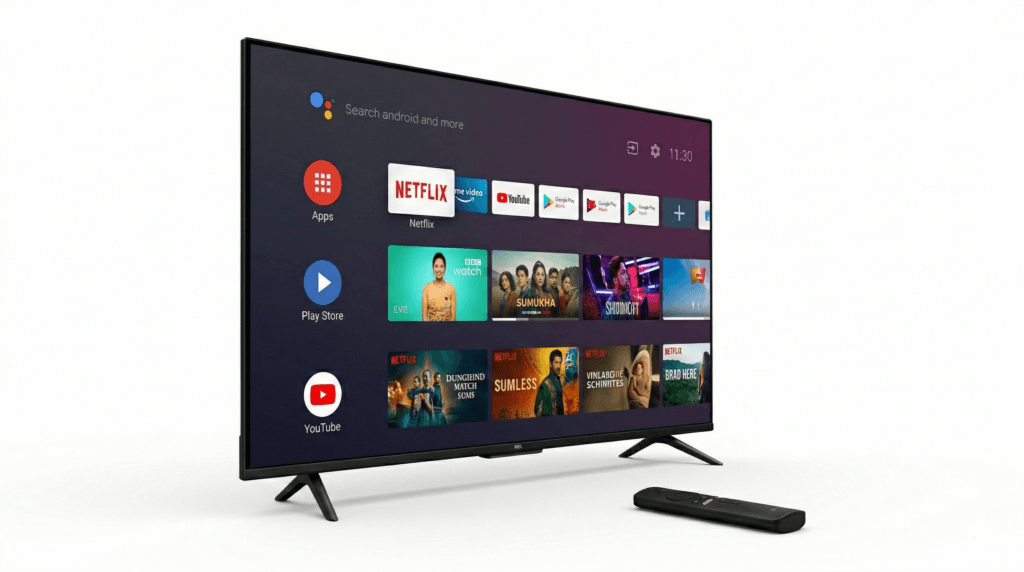
Why It Wins: Delivers an aggressive price-to-performance ratio with deep Android TV app integration.
Indian Reality Test: It survives standard household conditions but absolutely needs a voltage stabilizer for rural areas. Dust can accumulate in the bottom speaker vents over time, but Xiaomi’s service network is widespread, making repairs easy even in Tier 2 towns.
Pros
Cons
Who Should Buy This: First-time smart TV buyers upgrading from an old CRT or standard flat screen on a strict budget.
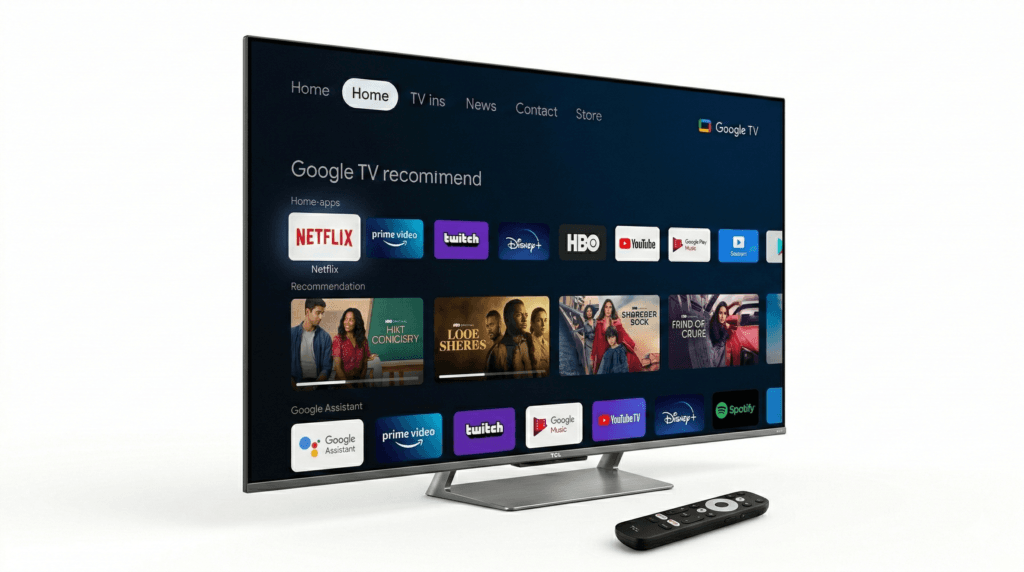
Why It Wins: Offers elite Mini-LED brightness and Google TV’s modern interface at half the cost of flagship brands.
Indian Reality Test: Mini-LEDs generate heat, but TCL’s thermal management handles Indian summers efficiently. You must pair this with a reliable UPS to protect the expensive panel from severe voltage spikes. Service is solid in metros but can be patchy in Tier 3 districts.
Pros
Cons
Who Should Buy This: Home theater enthusiasts with large living rooms who refuse to overpay for a logo.
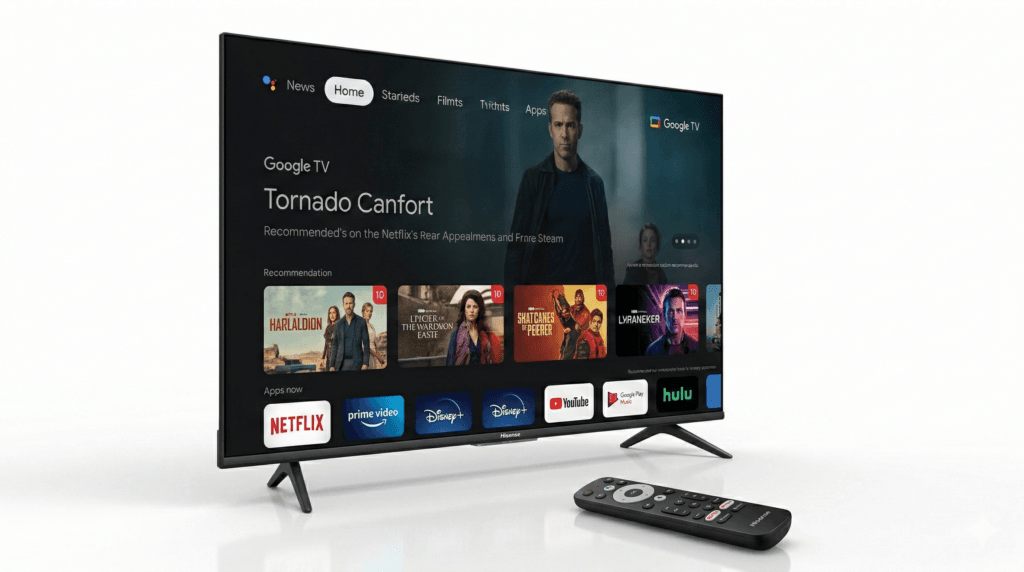
Why It Wins: Integrates massive 102W JBL speakers with a rugged build, eliminating the need for extra audio gear.
Indian Reality Test: Built like a tank. It handles heavy dust exposure remarkably well, and the power supply board is highly resilient against standard voltage drops. Hisense is aggressively expanding its Tier 2 service network, making it a reliable mid-range bet.
Pros
Cons
Who Should Buy This: Buyers who want a loud, durable TV for noisy environments without buying a separate soundbar.
Why It Wins: Fits perfectly into tight spaces while delivering standard Android TV smart features reliably.
Indian Reality Test: Ideal for small flats with limited ventilation. It runs cool during the heavy summer heat. Since it uses less power, it handles voltage drops better than massive 65-inch panels, but a basic surge protector is still highly recommended.
Pros
Cons
Who Should Buy This: Bachelors or families needing a secondary bedroom TV for small, compact spaces.
Don’t blindly trust spec sheets. Middle-class Indian households face unique challenges, and making the wrong choice costs thousands in repairs.
Yes, the Acer 32-inch Android TV fits this budget perfectly. It offers essential smart features and durability without breaking the bank.
Yes. Both platforms are mature, but Google TV is the clear future. It offers faster navigation, better app management, and superior content curation.
No smart TV is entirely immune. Always pair your TV with a quality voltage stabilizer to protect the sensitive motherboard from frying.
Yes, Sony and Samsung lead in pan-India service. Xiaomi follows closely with a massive network successfully covering Tier 2 and Tier 3 cities.
A well-maintained LED TV should last 5 to 7 years. Keeping it safe from ambient dust and unpredictable voltage spikes extends its lifespan significantly.
Making the right choice comes down to your exact living situation. Use this Android TV vs Google TV Guide to finalize your decision confidently:
Stop overthinking and secure your TV before prices jump.
⚠️ Informed Buyer Choice: Choicely.in earns a small commission when you purchase through our links to Amazon.in and Flipkart. This happens at absolutely zero additional cost to you. All prices are stated in Indian Rupees (₹) and are subject to marketplace changes.