Physical Address
304 North Cardinal St.
Dorchester Center, MA 02124
Physical Address
304 North Cardinal St.
Dorchester Center, MA 02124

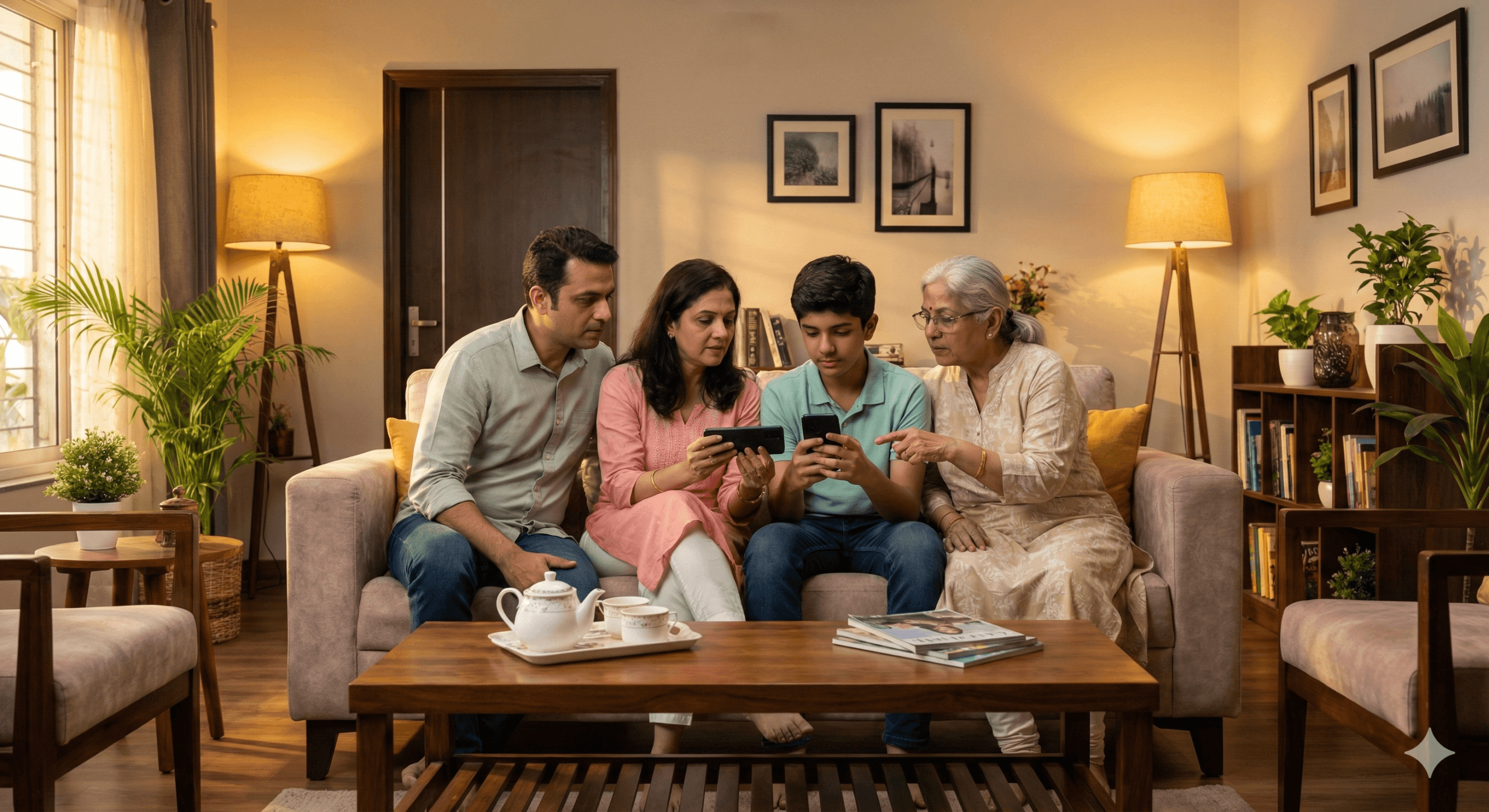
Buying a smartphone in India has never been more confusing. 😵
Every few weeks, a new model launches with “flagship-level camera”, “AI features”, or “fastest charging ever”. Add bank offers on Amazon and Flipkart, exchange bonuses, and limited-time sales—and suddenly, even well-informed buyers feel stuck.
In 2026, most Indians don’t want the most expensive phone. They want a phone that lasts 3–4 years, handles daily work smoothly, clicks reliable photos, survives Indian heat, and doesn’t become painfully slow after one update. Battery health, service centres, resale value, and software support now matter as much as raw specs.
This guide is written from an Indian user’s point of view—based on what people are actually buying, using, and recommending to family members. No hype, no fanboy bias. Just practical smartphone choices that make sense for Indian households today. ✅
Who should buy this guide
Who should avoid this
Best for
| Product Name | Standout Feature | Why Indians Prefer It | Price Range (₹) | Ideal Usage Scenario |
|---|---|---|---|---|
| iPhone (latest series) | Long software support | Camera & resale value | 55,000–85,000 | Premium users |
| Samsung Galaxy S Series | Display & camera balance | Service network | 50,000–80,000 | Power users |
| OnePlus Number Series | Clean performance | Fast & smooth UI | 35,000–55,000 | Professionals |
| Samsung Galaxy A Series | Reliability | Trusted brand | 18,000–30,000 | Family users |
| Xiaomi / Redmi Note | High value | Aggressive pricing | 12,000–22,000 | Budget buyers |
| Realme Number Series | Fast charging | Youth-focused value | 15,000–25,000 | Students |
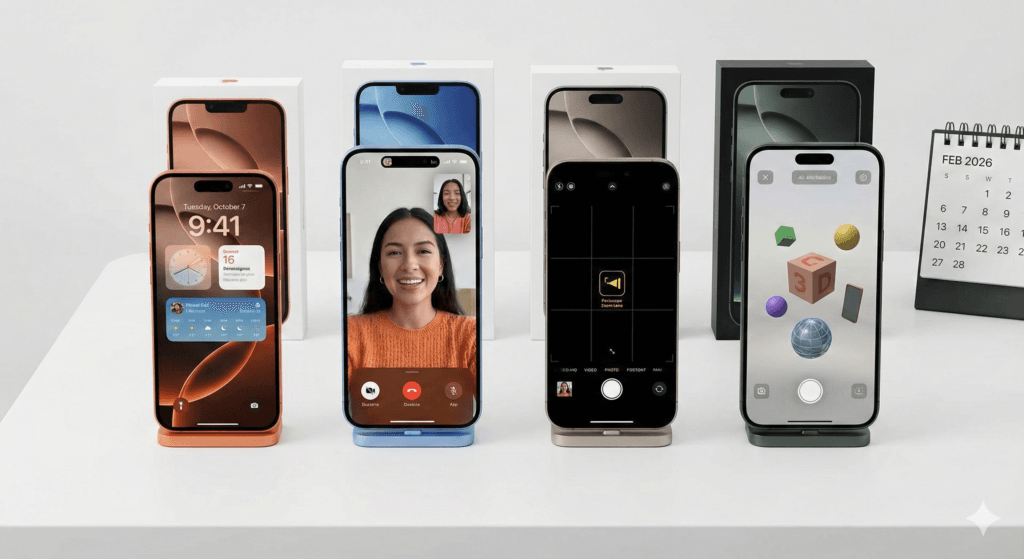
Why it’s trusted in India: Many Indians now choose iPhone for its camera consistency, long software updates, and strong resale value.
Key features
✅ Pros
❌ Cons
Ideal for: Professionals, creators, long-term premium users
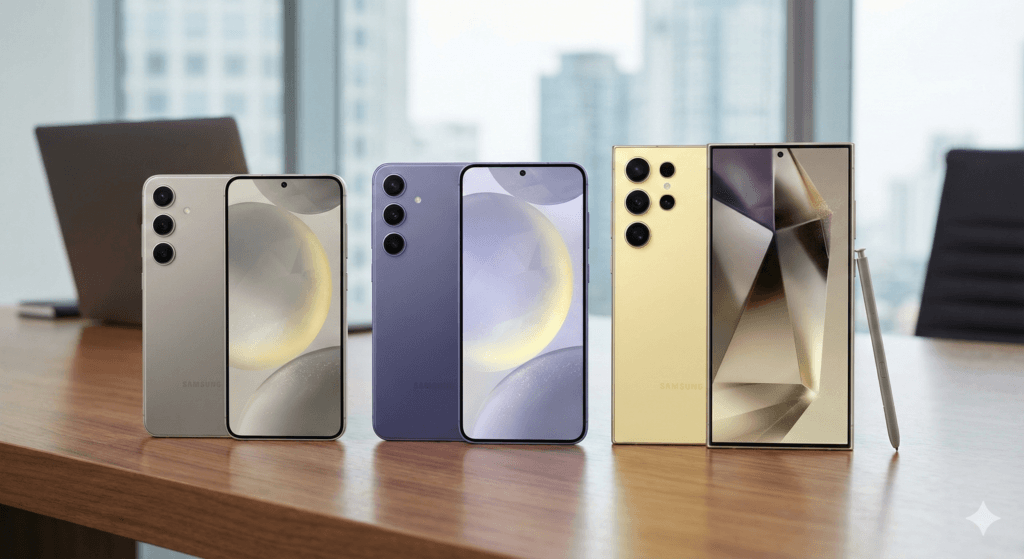
Why Indians prefer it: Samsung balances camera, display, and service reach better than most brands.
Key features
✅ Pros
❌ Cons
Ideal for: Users wanting premium Android without risks
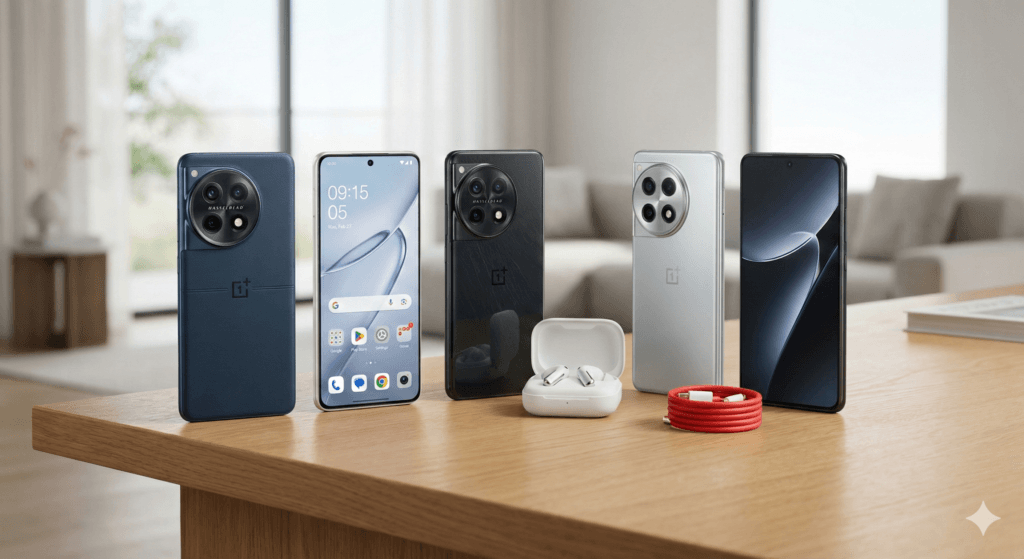
Why it remains popular: Known for smooth performance and fast charging, especially among working professionals.
Key features
✅ Pros
❌ Cons
Ideal for: Office users, multitaskers, long screen-time users
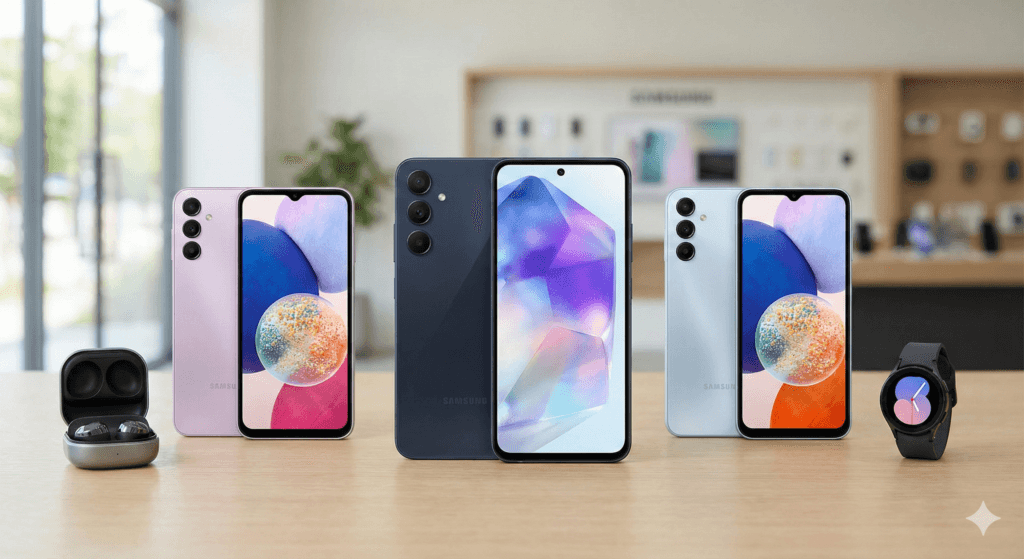
Why Indian families choose it: Safe, dependable choice for parents, siblings, and long-term usage.
Key features
✅ Pros
❌ Cons
Ideal for: Family gifting, non-gamers
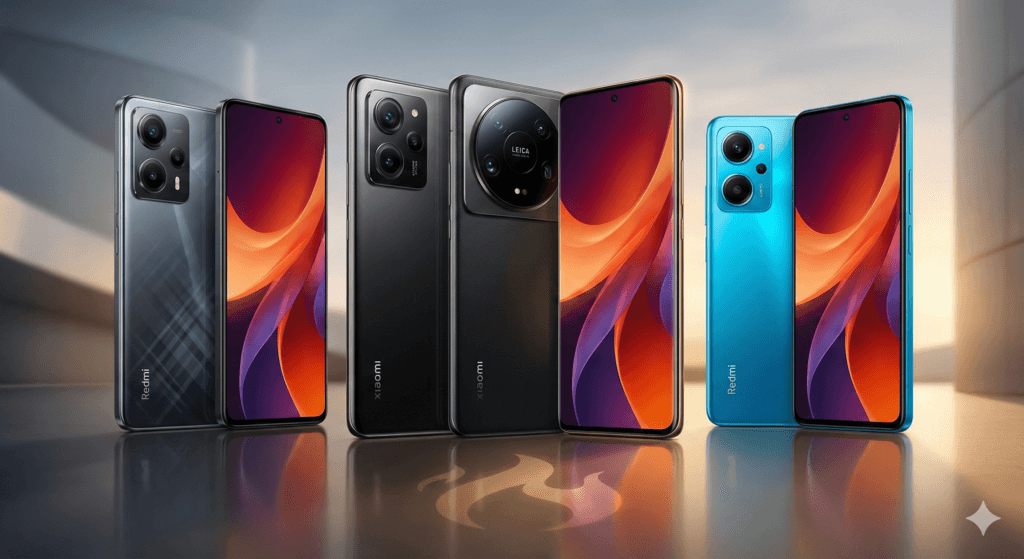
Why it sells massively: Maximum specs for the price remains Xiaomi’s biggest strength.
Key features
✅ Pros
❌ Cons
Ideal for: Budget buyers who want more features for less
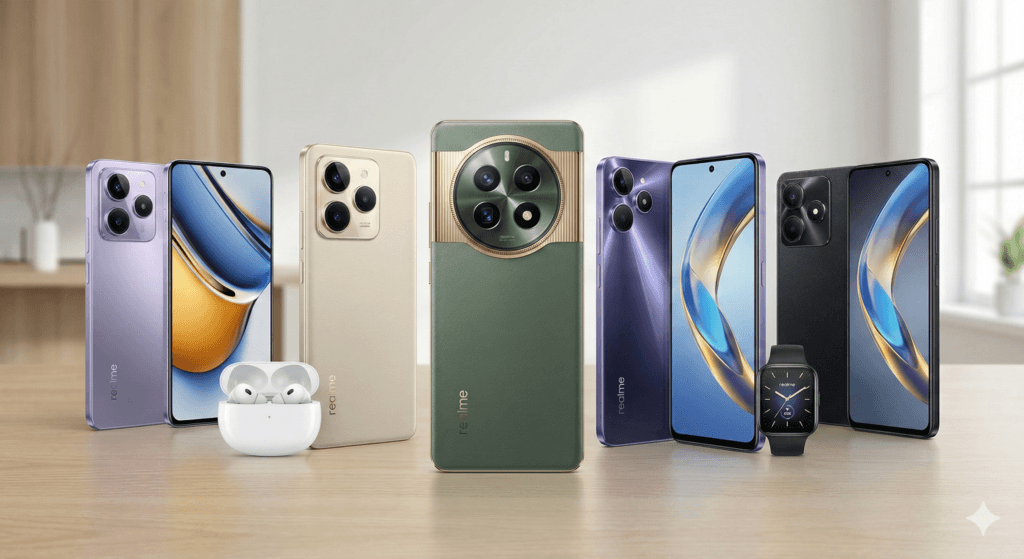
Why young buyers like it: Fast charging, stylish design, and competitive pricing.
Key features
✅ Pros
❌ Cons
Ideal for: Students, first-job users
A phone that lasts 4 years at ₹30,000 is often better than a ₹18,000 phone replaced in 2 years.
Samsung and Apple are considered safest for long-term use.
Yes, but performance and battery matter more than just 5G support.
8 GB is ideal for smooth usage over 3–4 years.
Yes—Amazon and Flipkart sales often make mid-range phones great deals.
Yes, if you prioritise value and check service availability in your city.
There’s no single “best smartphone” for everyone.
Buy based on how long you plan to use the phone, not launch-day hype. That’s how smart Indian buyers stay satisfied years later. 👍
Choicely.in may earn a small commission from qualifying purchases on Amazon or Flipkart at no additional cost to you. This helps us provide honest, experience-based recommendations.

But i don’t really need three days for anything, i just need instant energy for an instant transaction.
Hmm it seems like your blog ate my first comment (it was super long) so I guess I’ll
just sum it up what I wrote and say, I’m thoroughly enjoying your
blog. I as well am an aspiring blog writer but I’m still new to the whole thing.
Do you have any helpful hints for beginner blog writers?
I’d certainly appreciate it.




Leave a Reply